
Antonine Plague
A ruthless disease that decimated the Roman Empire
Overview:
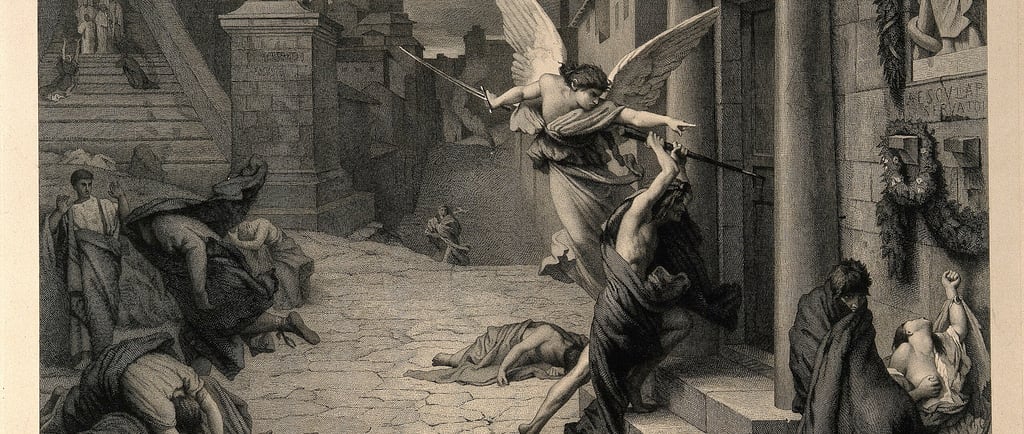
The Antonine Plague tore through the Roman Empire in the 2nd century CE like an unstoppable shadow. Fevers consumed the body, rashes and sores spread across the flesh, and relentless suffering left the sick helpless in the streets. Armies faltered as soldiers fell one by one, trade slowed to a standstill, and entire cities emptied under the weight of death. Millions perished, families were shattered, and a sense of terror and despair gripped the land, proving that even the greatest empire was powerless against a disease that struck without mercy.
Infection:
The Antonine Plague, likely caused by smallpox or measles, infected the body when the virus entered through the respiratory system—breathing in tiny droplets from coughs or sneezes. Once inside, it spread through the bloodstream, causing high fever, chills, body aches, rashes, and severe fatigue, sometimes leading to organ failure or death, especially in those with weakened immune systems.